
Acupuncture Benefits for Women at Every Stage of Life
Definition:
Acupuncture is a complementary treatment that uses thin, sterile needles to support pain relief and manage other health symptoms. Women’s health needs change throughout life. Period pain may affect the teenage years, fertility concerns can arise later, and menopause can bring hot flashes, headaches and poor sleep. These symptoms often involve several body systems, which can make them difficult to manage.
TL;DR:
Acupuncture may help women manage menstrual cramps, headaches, muscle tension, stress, sleep problems and menopause discomfort. It may also provide emotional and physical support during fertility treatment, pregnancy or postpartum recovery. The main potential benefits include:
- Drug-free support for pain and tension
- Fewer or less intense migraines
- Improved relaxation and sleep
- Support during reproductive life changes
Research from the National Center for Complementary and Integrative Health (NCCIH) shows that acupuncture may provide benefits for several chronic pain conditions, although results vary depending on the condition and individual response.
Table of Contents
How does acupuncture support women’s health?
Acupuncture uses very fine needles to stimulate selected points on the body. This stimulation may influence pain signals, local circulation and communication between the brain and nervous system.
Traditional Chinese Medicine describes acupuncture through qi, which means vital energy. Qi is believed to move through pathways called meridians. Treatment aims to address patterns connected with pain, tension and poor function.
What happens during treatment?
The first appointment normally includes a detailed health discussion. The acupuncturist may ask about pain, menstrual cycles, medications, sleep, digestion, stress and previous diagnoses.
Can acupuncture balance female hormones?
Acupuncture may support symptoms linked with hormonal changes, but it has not been proven to normalize every female hormone.
Estrogen and progesterone influence menstruation, fertility, mood, sleep and body temperature. Other hormones help regulate ovulation and the menstrual cycle.
Researchers have studied whether acupuncture affects the hypothalamic-pituitary-ovarian axis. This network connects the brain, pituitary gland and ovaries. Current evidence does not prove that acupuncture can correct every hormonal disorder.
Can acupuncture reduce menstrual pain?
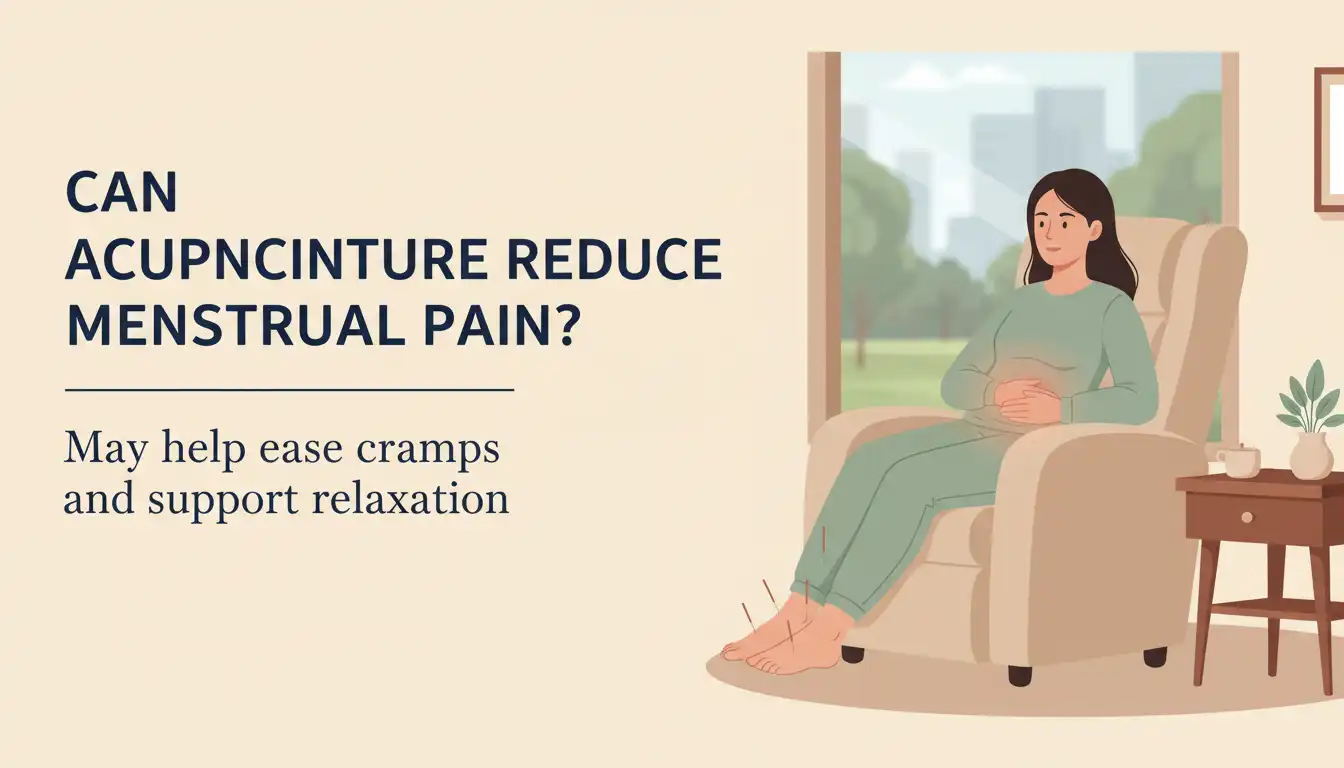
Acupuncture may reduce menstrual cramps and related lower-back pain for some women. Painful menstruation is also called dysmenorrhea.
Needle stimulation may change how the nervous system processes pain. It may also encourage the release of natural pain-relieving chemicals and reduce muscle tension.
Can acupuncture help PMS?
Acupuncture may help manage some symptoms of premenstrual syndrome. These symptoms may include headaches, bloating, irritability, fatigue, breast tenderness and poor sleep.
Can acupuncture help PCOS?
Acupuncture may support symptom management for women with polycystic ovary syndrome. It does not cure PCOS.
PCOS can cause irregular periods, infrequent ovulation, acne, unwanted hair growth, weight changes and fertility problems. It may also affect blood sugar and long-term metabolic health.
Can acupuncture help endometriosis?
Acupuncture may help some women manage pain linked with endometriosis. It cannot remove endometriosis lesions or replace medical treatment.
Endometriosis occurs when tissue similar to the uterine lining grows outside the uterus. It may cause painful periods, pelvic pain, painful intercourse and fertility problems.
Does acupuncture improve fertility?
Acupuncture may support relaxation, sleep and emotional well-being during a fertility journey. It has not been proven to guarantee conception or increase live-birth rates.
Fertility depends on several factors. These include age, ovulation, egg health, sperm health, fallopian tube function and the uterine environment. One complementary treatment cannot control all these factors.
During IVF or IUI, acupuncture should remain supportive. Patients should follow the instructions and schedule provided by their fertility clinic.
Is acupuncture safe during pregnancy?
Acupuncture may be safe during pregnancy when performed by a licensed acupuncturist with pregnancy-specific training. Women should discuss it with their prenatal clinician first.
Pregnancy changes the body’s anatomy, circulation and treatment needs. The acupuncturist must know the pregnancy stage, current medications and history of complications.
Acupuncture may support nausea, back discomfort, pelvic tension, headaches and sleep problems. Results vary between patients.
How can acupuncture support postpartum recovery?
Postpartum acupuncture may support muscle tension, headaches, poor sleep and emotional stress. It does not replace postpartum examinations or pelvic-floor therapy.
Fatigue after childbirth may result from sleep loss, anemia, infection or thyroid changes. Persistent exhaustion requires medical assessment.
Pelvic discomfort may come from tissue healing, muscle injury or cesarean recovery. Pelvic-floor therapy may be more suitable when pain, weakness or urinary leakage continues.
Can acupuncture reduce menopause symptoms?
Acupuncture may help some women manage hot flashes, night sweats, headaches and sleep disruption. Research results remain mixed.
Menopause symptoms develop as estrogen levels change. These shifts can affect body temperature, mood, sleep, vaginal health and bone strength.
Acupuncture may suit women who prefer a non-drug option or cannot use some medical treatments. However, results differ, and acupuncture may not reduce hot flashes as much as hormone therapy.
Can acupuncture help stress and sleep?

Acupuncture may help some women feel calmer and sleep more comfortably. The quiet treatment setting may also reduce physical and emotional tension.
Stress can contribute to headaches, muscle pain, digestive discomfort and poor sleep. Reducing the stress response may improve several connected symptoms.
Evidence for diagnosed anxiety disorders and chronic insomnia remains limited. Acupuncture should not replace counseling, psychiatric care or prescribed medication.
Can acupuncture support other concerns?
Women also seek acupuncture for digestive symptoms, urinary incontinence, sexual health, weight management and facial rejuvenation. Acupuncture may support IBS discomfort or stress-related bloating. However, persistent bloating can have digestive or gynecologic causes.
How many acupuncture sessions are needed?
The number of sessions depends on the condition, symptom history and individual response. No single schedule works for every woman.
Many patients begin with weekly sessions for four to six weeks. The practitioner should then review measurable progress.
Is acupuncture safe for most women?
Acupuncture is generally considered safe when a qualified practitioner uses sterile, single-use needles. Temporary effects may include soreness, bruising, tiredness or minor bleeding. Serious injuries are uncommon but can occur with poor technique.
Why choose Tara Acupuncture in Great Neck?
Tara Acupuncture provides personalized women’s health support in Great Neck, New York. The clinic also serves patients from nearby Nassau County communities.
Tara Chen, L.Ac., is a New York State licensed acupuncturist with more than 15 years of clinical experience. She reviews symptoms, medications, sleep, stress and current medical care before creating a treatment plan.
FAQ's
What are the main acupuncture benefits for women?
Acupuncture may support period-pain relief, migraine prevention, relaxation, sleep and menopause symptom management.
Can acupuncture regulate periods?
It may support related symptoms, but it cannot correct every cause of irregular periods.
Can acupuncture cure PCOS?
No, but it may support stress, sleep and menstrual comfort for women with PCOS.
Does acupuncture increase fertility?
It may support emotional well-being, but it cannot guarantee pregnancy or IVF success.
Is acupuncture painful?
Most patients feel mild pressure, warmth or tingling instead of sharp pain.
How quickly does acupuncture work?
Progress should normally be measured after four to six sessions.
Can acupuncture replace medication?
No, medication should only be changed with guidance from the prescribing clinician.
What should you do next?
Acupuncture may offer useful support for period pain, migraines, stress, poor sleep and menopause symptoms. The best approach begins with clear goals. Choose one or two symptoms to track before treatment. Record their frequency and severity, then review your progress after several sessions.
Women considering acupuncture in Great Neck can discuss their health history, current care and treatment goals with Tara Chen before booking. This article provides general health information and does not replace medical diagnosis or treatment.