
Home » Services » Stress-Related Conditions » Jaw Tension
Jaw Tension Therapy in Great Neck, New York
Jaw Tension Therapy at Tara Acupuncture Clinic provides complementary care for tight chewing muscles, clenching, morning soreness, facial fatigue, headaches, and related neck tension. Tara Chen, L.Ac., studies when the tension occurs, which muscles hurt, and how it affects eating, speaking, sleeping, and daily comfort.
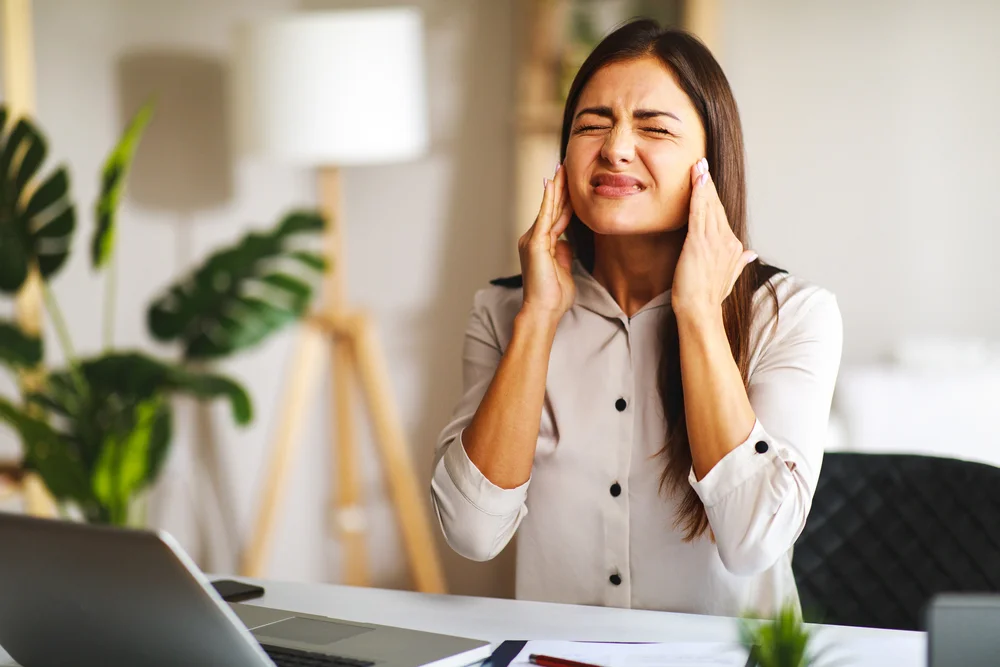
Jaw Tension Can Build Without You Noticing
Many patients hold their teeth together while concentrating, driving, working, or responding to stress. Others grind or clench during sleep and only discover the pattern after waking with jaw pain, temple headaches, sensitive teeth, or tired facial muscles.
Jaw tension does not always mean that the jaw joint is damaged. Symptoms may begin in the masseter and temporalis muscles used for chewing. Other patients may have a temporomandibular disorder, dental problem, joint condition, nerve problem, or headache disorder that creates similar pain.
Tara reviews the full pattern instead of assuming stress is the only cause. She considers awake habits, sleep symptoms, dental findings, painful clicking, mouth opening, headaches, neck tension, medication, and previous treatment before recommending care.
Common Causes of Jaw Tension
Jaw tension may result from repeated muscle activity, sleep-related grinding, physical stress, pain, or a separate dental or joint problem. Several factors may occur at the same time.
Awake Jaw Clenching
Awake bruxism often happens during concentration, stress, driving, computer work, or emotionally demanding situations. Patients may hold their teeth together for long periods without realizing how much work the chewing muscles are doing.
Sleep Bruxism
Sleep bruxism involves grinding or clenching during sleep. A patient may wake with jaw soreness, temple pain, facial fatigue, tooth sensitivity, or damage noticed during a dental examination.
Stress and Muscle Guarding
Stress can increase tension in the jaw, face, neck, shoulders, and breathing muscles. Treating the physical tension may help comfort, but Tara also looks at sleep, workload, and daily clenching habits that may keep the muscles active.
Repetitive Chewing Habits
Frequent gum chewing, nail biting, chewing pens, biting hard foods, or holding objects between the teeth can repeatedly load the jaw muscles. Reducing the habit gives irritated muscles more opportunity to recover.
Dental and Tooth-Related Problems
Cracked teeth, tooth decay, dental infection, recent dental procedures, and tooth wear may cause or add to jaw pain. Tara refers patients to a dentist when the symptoms suggest that the teeth or gums need assessment.
Temporomandibular Joint Conditions
Arthritis, injury, disc movement, or another temporomandibular disorder may cause painful clicking, locking, limited opening, or joint tenderness. Acupuncture cannot repair damaged joint structures or physically reposition a displaced disc.
Current evidence does not support blaming an imperfect bite or braces as the general cause of TMD. Treatment should begin with a careful diagnosis and conservative options rather than permanent changes to the teeth or bite.
Jaw Tension Symptoms Tara Can Support
Tara focuses on muscle-related symptoms and related tension patterns. She recommends dental or medical assessment when the symptoms suggest tooth damage, joint locking, infection, trauma, or another condition outside acupuncture care.
Tight or Tender Masseter Muscles
The masseter muscles sit along the sides of the jaw and work during biting and chewing. Overactivity may cause soreness, hardness, facial fatigue, or pain when eating firm foods.
Temple and Side-of-Head Pain
The temporalis muscles help close the jaw and extend across the temples. Clenching may contribute to temple tenderness or headaches, although migraine and other headache disorders can cause similar symptoms.
Morning Jaw Soreness
Pain or fatigue that feels strongest after waking may suggest sleep clenching or grinding. Tara supports the muscle symptoms while recommending regular dental care to check for tooth wear or damage.
Facial Tightness and Chewing Fatigue
Patients may notice tired cheeks, pressure near the ears, or discomfort after eating. Tara tracks how long the patient can chew comfortably and whether softer or harder foods change the symptoms.
Jaw Tension With Neck and Shoulder Pain
Jaw guarding may occur with tight neck and shoulder muscles, especially during desk work or stress. Tara assesses these areas together while avoiding the claim that posture alone explains every jaw problem.
Headaches Linked With Clenching
Clenching may occur alongside temple, forehead, or morning headaches. Tara evaluates the muscle pattern, but frequent or changing headaches may still require assessment from a physician or neurologist.
Treatment Methods for Jaw Tension
Tara selects each method according to the muscle pattern, jaw sensitivity, headache symptoms, neck findings, dental care, and patient comfort. Not every patient receives all six methods.
Acupuncture Treatment
Tara places ultra-fine, sterile, single-use needles at selected points around the jaw, face, head, neck, hands, or other related areas. Treatment may focus on muscle-related pain, tenderness, guarding, headaches, and difficulty relaxing the jaw.
Research suggests that acupuncture may provide short-term relief for some patients with muscle-related temporomandibular pain. The evidence remains limited, so Tara tracks each patient’s response without promising that acupuncture will stop bruxism permanently.
Infrared Heat Therapy
Gentle infrared warmth may help tight jaw, neck, or shoulder muscles relax. Tara avoids heat when the area is acutely swollen, recently injured, affected by reduced sensation, or made worse by warmth.
Cupping Therapy
Cupping may be used over broad neck, shoulder, or upper-back tension that occurs with jaw clenching. Tara does not place strong cups over the jaw joint or delicate facial tissue.
Gua Sha Therapy
Tara may use gentle Gua Sha strokes over selected neck, shoulder, or external jaw-related tissues. She adjusts pressure carefully because painful chewing muscles and facial tissues can be sensitive.
Tui Na Massage
Tui Na uses controlled external pressure and movement. Tara may work around the jaw, temples, scalp, neck, and shoulders to address muscle guarding and related tissue tension.
Movement Assessment
Tara observes comfortable opening, closing, neck movement, posture, breathing, and the resting position of the jaw. She also helps patients identify when they hold their teeth together during the day.
Tara may add electroacupuncture when it fits the patient’s condition and comfort. Treatment remains personalized rather than based on one fixed jaw protocol.
Why Choose Tara Acupuncture for Jaw Tension Therapy?
With over 20 years of clinical experience, Tara Chen, L.Ac., combines personalized acupuncture, hands-on care, symptom tracking, and clear dental or medical referrals.

Over 20 Years of Clinical Experience
Throughout more than two decades of clinical practice, Tara has focused on helping patients find relief from jaw tension, TMJ pain, persistent headaches, migraines, neck strain, stress, and sleep disruptions.

Clear Treatment Boundaries
Tara does not promise to repair teeth, change the bite, reposition the jaw joint, or stop grinding permanently. She explains what acupuncture may support and when dental care should take priority.

Attention to Daily and Nighttime Patterns
Daytime clenching and sleep grinding do not happen in the same way. Tara reviews when symptoms occur and adapts care around the patient’s main pattern.
Progress Based on Daily Function
Tara tracks morning soreness, chewing comfort, mouth opening, headaches, sleep, clenching awareness, and the ability to relax the jaw during daily activities.

Care Beyond the Painful Jaw Muscle
Tara assesses the jaw together with the temples, scalp, neck, shoulders, stress response, and sleep. This helps identify connected tension without assuming that one area explains everything.
Private Local Care
Patients receive one-on-one treatment from an experienced female acupuncturist. The Great Neck clinic offers free parking, wheelchair access, weekday appointments, Saturday hours, and Sunday care by appointment.
Your Jaw Tension Treatment Process
The four-step process helps Tara identify the main muscle pattern, choose suitable care, and measure whether jaw comfort and daily function are changing.

Step 1
Symptom and Habit Review
Tara asks when the tension began, whether you clench while awake or asleep, where the pain travels, and how symptoms affect chewing, speaking, yawning, sleep, dental care, and headaches.

Step 2
Jaw, Face, and Neck Assessment
Tara checks external muscle tenderness, comfortable mouth opening, jaw movement, temple sensitivity, neck rotation, shoulder tension, breathing, and habits that reproduce symptoms.
Step 3
Customized First Treatment
Your first session may include acupuncture alone or selected support for the jaw, face, neck, and shoulders. Tara explains each method and adjusts the session to your sensitivity.
Step 4
Functional Progress Review
Tara tracks morning soreness, chewing fatigue, headaches, sleep, mouth opening, pain intensity, and daytime clenching awareness. She adjusts treatment or recommends dental or medical evaluation according to your response.
Patients with muscle-driven jaw tension may notice reduced pain or tightness within three to five sessions. Long-standing bruxism, tooth damage, arthritis, or joint locking may require a longer plan involving several providers.
Insurance Coverage for Jaw Tension Treatment
Eligible acupuncture services for jaw tension may receive coverage through the Empire Plan, NYSHIP, and many major insurance carriers. Coverage depends on the diagnosis, individual policy, deductible, visit limit, and acupuncture benefits.
- Most insurance plans acTara’s office verifies eligible acupuncture benefits before treatment.cepted
- The clinic handles qualifying insurance claims directly
- Your expected patient cost is explained before care begins.
Jaw Tension Experiences From Real Patients
Helpful testimonials describe the original symptoms, their effect on daily life, related dental care, and the specific improvement noticed. Each placement below must be replaced with a genuine, approved patient review.
“After years of debilitating back pain and failed treatments, Tara’s acupuncture finally gave me my life back. Within six sessions I was comfortable for the first time in a decade. I can’t recommend her enough.”
Michael R.
Great Neck, NY • Chronic Back Pain
“My migraines were happening three times a week. Tara developed a customized protocol and now I’ve gone months without dealing with migraine. Her knowledge and genuine care for patients is extraordinary.”
Sarah L.
Manhasset, NY • Chronic Migraines
Rachel L.
New Hyde Park, NY • Plantar Fasciitis
“I was skeptical about acupuncture for anxiety, but Tara’s calm, professional approach won me over immediately. My stress levels returned to baseline. The office itself is a sanctuary.”
Amanda P.
Little Neck, NY • Anxiety & Stress
Trusted Jaw Tension Care in Great Neck
Tara Acupuncture Clinic reports a 98% patient satisfaction rate across its treatment areas.
Tara has clinical experience across more than 50 pain, neurological, internal health, women’s health, and wellness conditions.
More than 2,000 patients have received care through Tara’s personalized acupuncture approach.
Give Your Jaw Muscles a Chance to Relax
Jaw tension can affect eating, sleep, concentration, dental health, headaches, and comfort throughout the day. Tara will review your clenching pattern, explain whether acupuncture fits your needs, and provide a realistic care plan.
Jaw Tension Therapy FAQs
These answers cover clenching, grinding, acupuncture, mouthguards, treatment frequency, daily habits, dental referrals, warning signs, insurance, and local care.
Jaw tension usually describes tight or overworked chewing muscles. A temporomandibular disorder can involve the jaw muscles, joints, discs, or related tissues. Muscle tension can occur without joint damage, but persistent pain, locking, painful clicking, or reduced opening may point to a wider TMD that needs dental or medical assessment.
Acupuncture may provide short-term pain relief for some patients with muscle-related jaw disorders. Tara may combine it with gentle external bodywork, heat, and treatment for related neck tension. Research remains limited, so the goal is measurable symptom improvement rather than a promise that acupuncture will permanently stop clenching.
Patients with muscle-driven tension may notice a change within three to five sessions. The final timeline depends on symptom duration, awake clenching, sleep grinding, headaches, dental damage, joint involvement, and response to early treatment. Tara reviews functional changes before recommending a longer series.
Acupuncture cannot guarantee that sleep bruxism will stop. It may support pain relief, relaxation, sleep, and muscle comfort in selected patients. A dentist should check for tooth wear, fractures, sensitivity, and the need for a mouthguard or another protective treatment.
The teeth generally should remain slightly apart when the jaw is at rest, with the lips resting comfortably together. Patients who clench while awake may benefit from reminders to check their resting position. NIDCR includes behavior change and increased clenching awareness among bruxism management options.
Yes. Acupuncture can provide complementary support while a dentist manages tooth protection and appliance fit. Continue using a prescribed mouthguard unless your dentist advises otherwise. Stop using an appliance and contact the prescribing provider when it increases pain or changes symptoms.
Stress may increase unconscious clenching and muscle guarding, especially during concentrated work or poor sleep. It is not the only possible cause. Tooth problems, sleep bruxism, joint disorders, injury, medication, and other health conditions may produce similar symptoms, so persistent jaw pain deserves proper assessment.
Prompt care is needed when the jaw stays locked, cannot open or close fully, or becomes severely painful after trauma. Facial swelling with fever or foul drainage may indicate infection. Call emergency services for jaw discomfort with chest pressure, breathing difficulty, sweating, or pain spreading into the arm or back.
Coverage depends on the diagnosis, insurance policy, deductible, visit limit, and acupuncture benefits. Tara Acupuncture Clinic works with the Empire Plan, NYSHIP, and many major carriers for eligible acupuncture services. The office verifies benefits and explains your expected patient cost before treatment begins.
Yes. Tara Acupuncture Clinic serves patients from Great Neck, Little Neck, Kings Point, Manhasset, Port Washington, Lake Success, Nassau County, and other Long Island communities. The office is located at Suite 201, 833 Northern Boulevard, Great Neck, NY 11021, with free parking and wheelchair access.