
Home » Services » Pain & Musculoskeletal Conditions » Muscle Tension & Strain
Muscle Tension & Strain Treatment in Great Neck, New York
Muscle Tension & Strain Treatment at Tara Acupuncture Clinic helps reduce pain, release guarded muscles, and restore comfortable movement. Tara Chen, L.Ac., studies whether your symptoms come from stress, posture, repetitive work, exercise, injury, or an overuse pattern that keeps returning.
Muscle Tightness and Muscle Injury Need Different Care
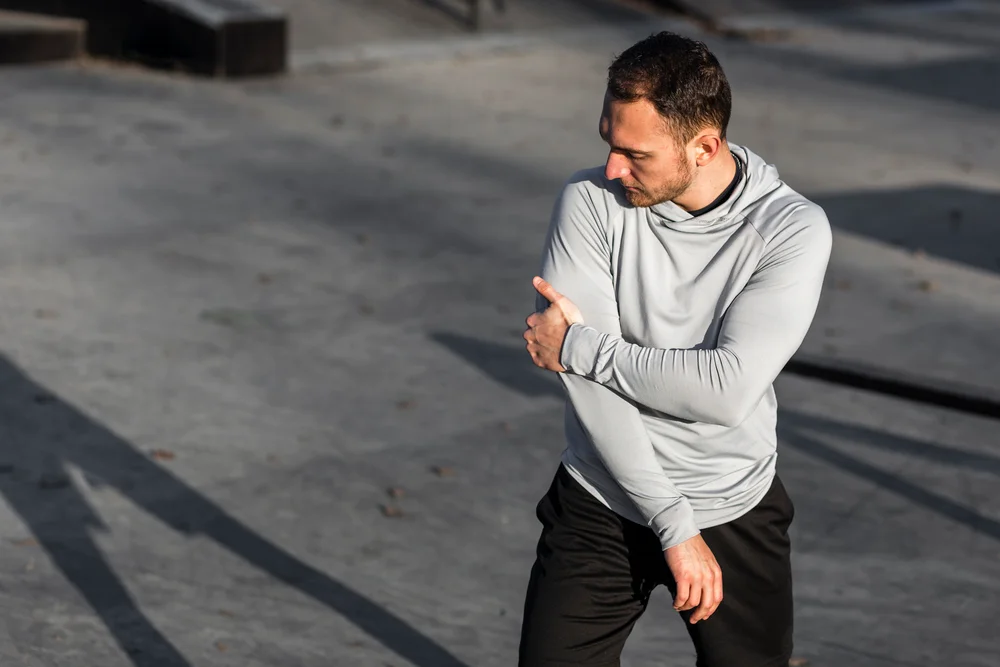
Muscle tension happens when a muscle stays contracted or guarded longer than it should. It may feel tight, hard, heavy, stiff, aching, or tender. Stress, poor posture, repetitive movement, fatigue, weak supporting muscles, and reduced activity can all contribute to this pattern. strain involves stretched or damaged muscle or tendon fibers. A mild strain may cause soreness and limited movement.
A more serious injury can cause sudden pain, weakness, swelling, bruising, or difficulty using the affected area. ins by identifying which pattern best matches your symptoms. She reviews how the pain started, what activities increase it, whether swelling or bruising occurred, and how the problem affects work, exercise, sleep, and everyday movement.
Common Causes Behind Tight or Strained Muscles
Muscle symptoms may develop suddenly or build over time. Tara studies the activity, posture, stress, injury, and movement patterns involved before selecting treatment.
Repetitive Movement and Overuse
Typing, lifting, gripping, running, reaching, sports, and physical work can repeatedly load the same tissues. Without enough recovery, mild soreness may progress into persistent tension or an overuse strain. Desk and Posture**
Prolonged Sitting and Poor Positioning
Holding one position for hours forces certain muscles to work continuously. Neck, shoulder, upper-back, hip, and lower-back muscles may become tired, shortened, or guarded as the day continues.
Sudden Lifting or Awkward Movement
A fast twist, heavy lift, slip, sprint, or unexpected movement may stretch muscle or tendon fibers beyond their normal limit. Pain may begin immediately and make normal movement difficult. Stress Signal
Stress-Related Muscle Guarding
Stress can cause the jaw, shoulders, abdomen, back, and hips to tighten without conscious effort. Poor sleep and mental fatigue may reduce recovery and make the same muscles feel tense again the next day. Uneven Movement Figure**
Muscle Weakness and Compensation
When one muscle cannot manage a task well, another area may work harder to help. This compensation can create recurring tightness, reduced movement, and pain away from the original weak area.
Incomplete Recovery From an Earlier Injury
A previous strain may leave weakness, reduced confidence, stiffness, or changed movement habits. Returning to full activity too quickly can place the same tissue under stress again. on 4: Symptoms and Muscle Pain Patterns
Muscle Symptoms Tara Can Support
The way a symptom begins and behaves helps Tara separate general muscle tension from a possible strain, nerve problem, tendon injury, or medical condition.
Persistent Muscle Knots
A muscle knot may feel like a small, firm, tender area. Pressure can cause pain at the knot or send discomfort into another nearby area. These patterns are often described as myofascial trigger points. Tight Shoulder
Neck, Shoulder, and Upper-Back Tension
Desk work, stress, driving, phone use, jaw clenching, and repeated reaching may keep these muscles guarded. Symptoms may include stiffness, headaches, heaviness, or pain between the shoulder blades.
Lower-Back and Hip Tightness
Prolonged sitting, lifting, exercise, or reduced hip movement can overload the lower back and surrounding muscles. Tara checks both the painful area and the movement pattern supporting it.
Exercise and Sports Strains
Hamstrings, calves, quadriceps, hip flexors, groin muscles, shoulders, and forearms can become strained during sports. Sudden acceleration, fatigue, poor technique, or increased training load may contribute. Muscle Spasm**
Spasms and Cramping
A muscle spasm is an involuntary contraction that may feel hard and painful. Overuse, injury, dehydration, mineral changes, medication, nerve irritation, and medical conditions can all play a role. Restricted Movement**
Stiffness and Reduced Joint mobility
Tight or injured muscles may limit turning, reaching, bending, walking, lifting, or exercise. Tara measures these movements to determine whether care is improving function, not only reducing tenderness.
Treatment Methods for Muscle Tension and Strain
Tara selects methods according to symptom duration, injury history, tissue sensitivity, movement limits, swelling, weakness, and patient comfort. Recent injuries and chronic tension do not receive the same treatment intensity.
Acupuncture Treatment
Tara places ultra-fine, sterile, single-use needles at selected local and related acupoints. Treatment may focus on pain sensitivity, muscle guarding, trigger-point patterns, and restricted movement.
Infrared Heat Therapy
Gentle infrared warmth may help chronic tight muscles relax before acupuncture or hands-on treatment. Tara avoids strong heat over a recent injury with active swelling, bruising, or reduced sensation.
Cupping Therapy
Cupping may be used over broad areas of chronic muscular tension, such as the shoulders, upper back, lower back, hips, or thighs. Tara adjusts suction based on tissue sensitivity and the condition’s stage.
Gua Sha Therapy
Gua Sha uses controlled strokes over selected tight tissue. Tara may add it when muscle and fascial restriction limit movement or contribute to a recurring tender area.
Tui Na Massage
Tui Na is a hands-on Chinese medical massage method. Tara applies targeted pressure and movement to tense muscles, guarded areas, and surrounding tissues while adapting the technique to the patient’s comfort.
Movement Assessment
Tara observes the activity connected to the problem, such as reaching, bending, lifting, running, gripping, sitting, or turning. This helps identify compensation and workload patterns that may cause the tension or strain to return.
Why Choose Tara Acupuncture for Muscle Tension and Strain?
Tara Chen, L.Ac., combines more than 20 years of clinical experience with acupuncture, hands-on treatment, movement assessment, and realistic recovery guidance. She focuses on the pattern behind the pain rather than treating every tight muscle in the same way.

Over 20 Years of Clinical Experience
Tara’s experience helps her compare stress-related tension, repetitive overload, mild muscle strain, trigger-point pain, and symptoms that may require medical testing.

Private One-on-One Treatment
Patients work directly with an experienced female acupuncturist in a calm setting. Tara explains each method and adjusts pressure, heat, suction, and needle stimulation to patient comfort.

Treatment Based on How the Pain Started
A recent lifting injury needs different care from tension that has built during months of desk work. Tara adapts the treatment to the symptom history and stage of recovery.
Support Alongside Rehabilitation
Tara can work alongside physical therapists, sports medicine providers, orthopedic doctors, chiropractors, and primary care providers. Acupuncture can support a broader recovery plan.
Progress Measured Through Daily Activity
Tara tracks movements that matter, including sitting, turning, reaching, bending, lifting, walking, exercise, and sleep. This shows whether treatment is improving normal function.
Convenient Great Neck Care
The clinic offers free parking, wheelchair access, weekday appointments, Saturday hours, and Sunday care by appointment. Same-day appointments may be available for patients in pain.

Your Muscle Pain Treatment Process
Step 1
Discuss Symptoms
Tara asks when the pain began, whether a sudden movement occurred, what activity makes it worse, and whether you noticed swelling, bruising, weakness, cramping, or restricted movement.
Step 2
Movement and Tissue Assessment
Tara examines relevant movement, posture, tender areas, muscle guarding, joint mobility, and compensation. She also looks for signs that suggest a serious tear, nerve problem, or another condition.
Step 3
Customized First Treatment
The session may include acupuncture alone or a selected combination of heat, cupping, Gua Sha, Tui Na, or movement guidance. Recent strains receive gentler care than long-term muscle tension.
Step 4
Functional Progress Review
Tara tracks pain, stiffness, Joint mobility, sleep, work tolerance, exercise, lifting ability, and symptom recurrence. She changes the plan or recommends further evaluation according to your response.
Insurance Support for Muscle Pain Treatment
Acupuncture for eligible muscle pain and strain-related symptoms may receive coverage through the Empire Plan, NYSHIP, and many major insurance carriers. Coverage depends on your diagnosis, individual policy, deductible, and visit limits.
- Tara’s office verifies eligible acupuncture benefits before treatment.
- The clinic handles qualifying insurance claims directly.
- Your expected cost is explained before you begin a treatment p
- Patient Stories
Real Experiences With Muscle Pain Care
Hear what our patients say about their experience at Tara Acupuncture in Great Neck, NY.
“After years of debilitating back pain and failed treatments, Tara’s acupuncture finally gave me my life back. Within six sessions I was comfortable for the first time in a decade. I can’t recommend her enough.”
Michael R.
Great Neck, NY • Chronic Back Pain
“My migraines were happening three times a week. Tara developed a customized protocol and now I’ve gone months without dealing with migraines. Her knowledge and genuine care for patients is extraordinary.”
Sarah L.
Manhasset, NY • Chronic Migraines
Rachel L.
New Hyde Park, NY • Plantar Fasciitis
“I was skeptical about acupuncture for anxiety, but Tara’s calm, professional approach won me over immediately. My stress levels are return to baseline. The office itself is a sanctuary.”
Amanda P.
Little Neck, NY • Anxiety & Stress
Trusted Muscle Pain Care in Great Neck
Tara Acupuncture Clinic reports a 98% patient satisfaction rate across its treatment areas.
Tara has worked with more than 50 pain, neurological, internal health, women’s health, and wellness conditions.
More than 2,000 patients have received care through Tara’s individualized acupuncture approach.
Stop Letting Tight or Painful Muscles Limit Your Day
Persistent tension and muscle strain can make work, sleep, exercise, lifting, and normal movement difficult. Tara will assess how the problem started, explain whether acupuncture fits your condition, and outline a realistic next step.
Muscle Tension and Strain Treatment FAQs
Muscle tension means a muscle remains tight, guarded, or contracted without a clear tissue tear. A strain involves overstretched or damaged muscle or tendon fibers.
Acupuncture may help some patients manage musculoskeletal pain, muscle guarding, and related movement limits. Tara may combine it with heat, Tui Na, Gua Sha, cupping, or movement guidance.
Acupuncture cannot directly reconnect torn muscle or tendon fibers. It may support pain management and reduce surrounding muscle guarding while the tissue heals.
Muscle knots may develop after repetitive activity, poor posture, physical injury, stress, weakness, or limited movement. They can create local tenderness or referred pain in another area.
Light activity may be appropriate when it does not increase pain, swelling, or weakness. Do not work through sharp pain from a recent strain.
Seek medical care when pain is severe, becomes worse, does not improve, or comes with major swelling, bruising, weakness, numbness, tingling, fever, redness, warmth, or difficulty using the muscle.