
Home » Services » Pain & Musculoskeletal Conditions » Post-surgical Recovery
Post Surgical Recovery in Great Neck, New York
Post Surgical Recovery at Tara Acupuncture Clinic provides complementary care for pain, stiffness, muscle guarding, sleep disruption, and restricted movement after an operation. Tara Chen, L.Ac., works within your surgeon’s instructions and coordinates treatment with your physical therapy or rehabilitation plan.
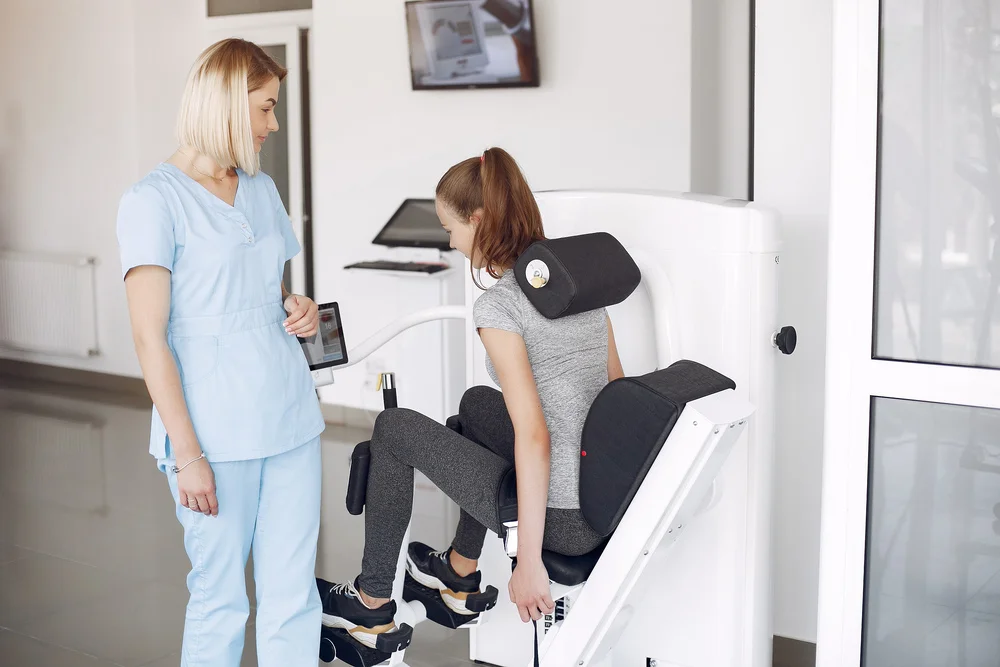
Recovery Continues Long After the Operation Ends
Surgery changes tissue and often limits movement for a period of time. Pain, swelling, weakness, protective muscle tension, medication effects, and poor sleep can make simple activities such as walking, dressing, sitting, or getting out of bed more difficult.
Every procedure has a different recovery path. A knee replacement follows different precautions from spinal surgery, abdominal surgery, or a rotator cuff repair. Your surgeon decides when you may bear weight, lift, stretch, exercise, drive, return to work, and begin additional forms of care.
Common Barriers During Post-Surgical Recovery
Recovery rarely follows one straight line. Pain may improve before strength returns, while swelling or stiffness may continue after the incision closes. Tara studies the symptoms affecting your daily function without presenting acupuncture as a replacement for surgical follow-up.
Surgical Tissue Trauma
An operation creates controlled tissue trauma so the surgeon can repair, remove, or replace a structure. Pain, soreness, and swelling commonly follow surgery, although the expected amount and duration depend on the procedure.
Pain and Protective Muscle Guarding
Muscles around the operated area may tighten to protect it. This guarding can make movement feel stiff or difficult and may place extra demand on nearby areas that compensate during walking, reaching, or daily tasks.
Reduced Movement and Activity
Braces, crutches, pain, weight-bearing limits, and fear of movement can reduce normal activity. This may contribute to stiffness, weakness, reduced endurance, and difficulty returning to everyday routines.
Loss of Strength and Range of Motion
Muscles can weaken when an area remains protected or less active. Many orthopedic recovery plans use physical therapy to rebuild movement, strength, stability, and functional use after surgery.
Scar and Surrounding Tissue Restriction
A healed incision may remain sensitive, tight, numb, or restricted. Tara only considers treatment near the scar after the wound has fully closed and the surgeon has approved hands-on or needle-based care.
Sleep Disruption and Fatigue
Pain, medication effects, limited sleeping positions, stress, and reduced activity may interfere with sleep. Poor sleep can then make pain, fatigue, concentration, and rehabilitation exercises harder to manage.
Post-Surgical Symptoms Tara Can Support
Tara focuses on symptoms appropriate for complementary acupuncture care. New, severe, or rapidly changing symptoms must return to the surgeon or another medical provider for assessment.
Post-Operative Pain
Acupuncture may provide added pain support while you follow the medication plan provided by your surgical team. Research suggests a possible benefit for postoperative pain and analgesic use, but results vary by procedure and study.
Stiffness and Limited Movement
Stiffness can affect walking, bending, reaching, gripping, dressing, and exercise. Tara tracks movements allowed by your surgeon and avoids testing or treatment that conflicts with post-operative restrictions.
Muscle Tension and Compensation
Using crutches, a brace, or one side of the body differently can tighten the neck, shoulders, back, hips, or other muscles. Tara may address these secondary tension patterns without placing stress on the surgical repair.
Numbness, Tingling, and Nerve Sensitivity
Temporary altered sensation may occur after some operations, but persistent or worsening weakness, numbness, burning, or loss of control needs medical review. Tara supports selected nerve-related symptoms only after the surgeon has evaluated them.
Poor Sleep and Physical Fatigue
Pain and limited sleeping positions may interrupt rest. Tara may include points selected for relaxation and pain support while your medical team addresses medication effects, breathing problems, or other surgical concerns.
Healed Scar-Area Tightness
Once the incision has closed and the surgeon approves local care, Tara may assess tension in nearby muscles and tissues. Acupuncture cannot erase a scar or guarantee that internal scar tissue will disappear.
Treatment Methods Used During Recovery
Tara selects methods according to the operation, recovery stage, incision status, medications, surgeon restrictions, tissue sensitivity, and rehabilitation plan. Recent surgery requires a more cautious approach than an old, fully healed procedure.
Acupuncture Treatment
Tara uses ultra-fine, sterile, single-use needles at selected points. Early care may use points away from the surgical area. Local treatment is considered only after the incision has healed and the surgeon has cleared it.
Acupuncture may support post-operative pain management, but it cannot repair surgically treated tissue or replace prescribed medication and rehabilitation.
Infrared Heat Therapy
Gentle infrared warmth may help non-acute muscle guarding feel more comfortable. Tara does not apply heat over an open incision, active infection, unexplained swelling, reduced sensation, or an area where the surgeon has restricted heat.
Cupping Therapy
Cupping may be considered for compensating muscles away from the surgical site. Tara avoids cupping over an incision, fresh bruising, active swelling, infected skin, or tissue affected by surgical restrictions.
Gua Sha Therapy
Gua Sha may help selected areas of chronic muscle and tissue restriction later in recovery. Tara does not perform it over a healing wound or use strong pressure near a recent surgical repair.
Tui Na Massage
Tui Na uses controlled pressure and movement. Tara may apply gentle techniques to compensating muscles or fully healed tissues while respecting weight-bearing, lifting, movement, and positioning precautions.
Movement Assessment
Tara observes only movements allowed by your surgeon or physical therapist. She may track walking, posture, reaching, grip, balance, or other approved activities to see whether pain and muscle guarding are changing.
Tara may add electroacupuncture only when it is appropriate for the patient’s surgery, medical devices, medications, and overall health. Not every recovery plan includes every method.
Why Choose Tara Acupuncture for Post-Surgical Care?
Over 20 years of clinical experience informs Tara Chen, L.Ac., as she provides one-on-one care for patients managing pain and movement problems, keeping acupuncture within its proper role as part of a wider recovery plan.

Care That Follows the Surgeon’s Plan
Tara respects your surgeon’s instructions for wound care, movement, weight bearing, braces, lifting, medication, and return to activity. Acupuncture does not replace those directions.

Progress Measured Through Function
Tara tracks approved activities such as walking, sleeping, sitting, dressing, reaching, gripping, and completing rehabilitation exercises. These changes matter more than temporary relaxation alone.

Treatment Based on Your Recovery Stage
A patient two weeks after surgery has different needs from someone dealing with stiffness six months later. Tara adjusts point location, treatment intensity, positioning, and supporting methods accordingly.

Coordination With Rehabilitation Providers
Tara can work alongside surgeons, physical therapists, occupational therapists, orthopedic doctors, pain physicians, and primary care providers. Rehabilitation remains central when strength, balance, joint motion, or movement control must be restored.

Clear Medical Safety Boundaries
Tara does not treat an open or infected incision. She refers new swelling, fever, drainage, severe pain, weakness, breathing problems, or other warning signs back to the medical team.

Accessible Local Appointments
The Great Neck clinic offers free parking, wheelchair access, weekday appointments, Saturday hours, and Sunday care by appointment. Same-day appointments may be available when medically appropriate.
Your Post-Surgical Care Process
The four-step process helps Tara confirm that acupuncture is suitable, understand your recovery restrictions, select safe methods, and monitor changes without interfering with medical care.

Step 1
Medical Clearance and Surgical Review
Tara reviews the procedure, surgery date, incision status, medications, implants, surgeon instructions, physical therapy plan, and current restrictions. She may request clearance when the treatment timing or surgical details remain unclear.

Step 2
Symptom and Movement Assessment
Tara asks about pain, swelling, sleep, muscle tension, numbness, mobility, and daily limitations. Any movement assessment stays within the limits already set by your surgeon or rehabilitation provider.

Step 3
Customized Supportive Treatment
The first session may use acupuncture away from the surgical area or carefully selected treatment for compensating muscles. Tara avoids methods that place pressure, heat, suction, or movement across an unhealed repair.

Step 4
Progress and Care Coordination
Tara tracks pain, sleep, movement, medication use, rehabilitation tolerance, and daily function. She changes the plan or refers you back to the surgical team when recovery does not follow the expected pattern.
Insurance Coverage for Post-Surgical Acupuncture
Eligible post-surgical pain services may receive coverage through the Empire Plan, NYSHIP, and many major insurance carriers. Coverage depends on your diagnosis, plan terms, deductible, visit limits, and acupuncture benefits.
- Tara’s office verifies eligible benefits before treatment.
- The clinic handles qualifying insurance claims directly.
- Your expected patient cost is explained before care begins.
Post-Surgical Experiences From Real Patients
Hear what our patients say about their experience at Tara Acupuncture in Great Neck, NY.
“After years of debilitating back pain and failed treatments, Tara’s acupuncture finally gave me my life back. Within six sessions I was comfortable
return to baseline
joint mobility
without dealing with migrane
for the first time in a decade. I can’t recommend her enough.”
Michael R.
Great Neck, NY • Chronic Back Pain
“My migraines were happening three times a week. Tara developed a customized protocol and now I’ve gone months without dealing with migraine. Her knowledge and genuine care for patients is extraordinary.”
Sarah L.
Manhasset, NY • Chronic Migraines
Rachel L.
New Hyde Park, NY • Plantar Fasciitis
“I was skeptical about acupuncture for anxiety, but Tara’s calm, professional approach won me over immediately. My stress levels returned to baseline. The office itself is a sanctuary.”
Amanda P.
Little Neck, NY • Anxiety & Stress
Trusted Recovery Support in Great Neck
Tara Acupuncture Clinic reports a 98% patient satisfaction rate across its service areas.
Tara has clinical experience across more than 50 pain, neurological, internal health, women’s health, and wellness conditions.
More than 2,000 patients have received care through Tara’s personalized acupuncture approach.
Add Support to Your Recovery Plan
Surgery may repair the original problem, but recovery still takes time, movement, rest, and consistent rehabilitation. Tara can assess whether acupuncture fits your current recovery stage and work within the instructions provided by your surgical team.
Post Surgical Recovery FAQs
These answers cover treatment timing, pain medication, physical therapy, scar care, blood thinners, medical warning signs, insurance, and local appointments.
Post-surgical acupuncture provides complementary support for selected concerns such as pain, muscle guarding, stiffness, poor sleep, and discomfort during approved movement. It does not replace surgical follow-up, medication, wound care, physical therapy, or occupational therapy.
Acupuncture should not be promoted as a way to close an incision faster or prevent surgical complications. Research supports a possible role in postoperative pain management, not guaranteed wound healing.
Some research found lower postoperative pain and analgesic use among patients receiving acupuncture or related techniques. Results vary, and acupuncture does not replace prescribed medication.
Yes, when the surgeon and rehabilitation plan allow it. Acupuncture may support pain and muscle guarding, while physical or occupational therapy rebuilds range of motion, strength, balance, and functional ability.
Acupuncture cannot erase a scar or guarantee the removal of internal scar tissue. Once the incision has fully healed and the surgeon approves local treatment, Tara may address sensitivity or restriction in nearby muscles and tissues.
Blood-thinning medication may increase bruising or bleeding risk. Give Tara a complete medication list and ask the prescribing provider whether acupuncture is appropriate. Do not stop an anticoagulant for an acupuncture appointment.
Contact your surgical team for increasing redness, wound pain, cloudy drainage, fever, a bad smell, or an incision that opens. Seek emergency care for sudden breathing difficulty, chest pain, fainting, severe calf swelling, or new neurological weakness.
Coverage depends on the diagnosis, insurance policy, deductible, visit limit, and acupuncture benefits. Tara Acupuncture Clinic works with the Empire Plan, NYSHIP, and many major carriers for eligible medical acupuncture services.
Yes. Tara Acupuncture Clinic serves patients from Great Neck, Little Neck, Kings Point, Manhasset, Port Washington, Lake Success, Nassau County, and other Long Island communities.