
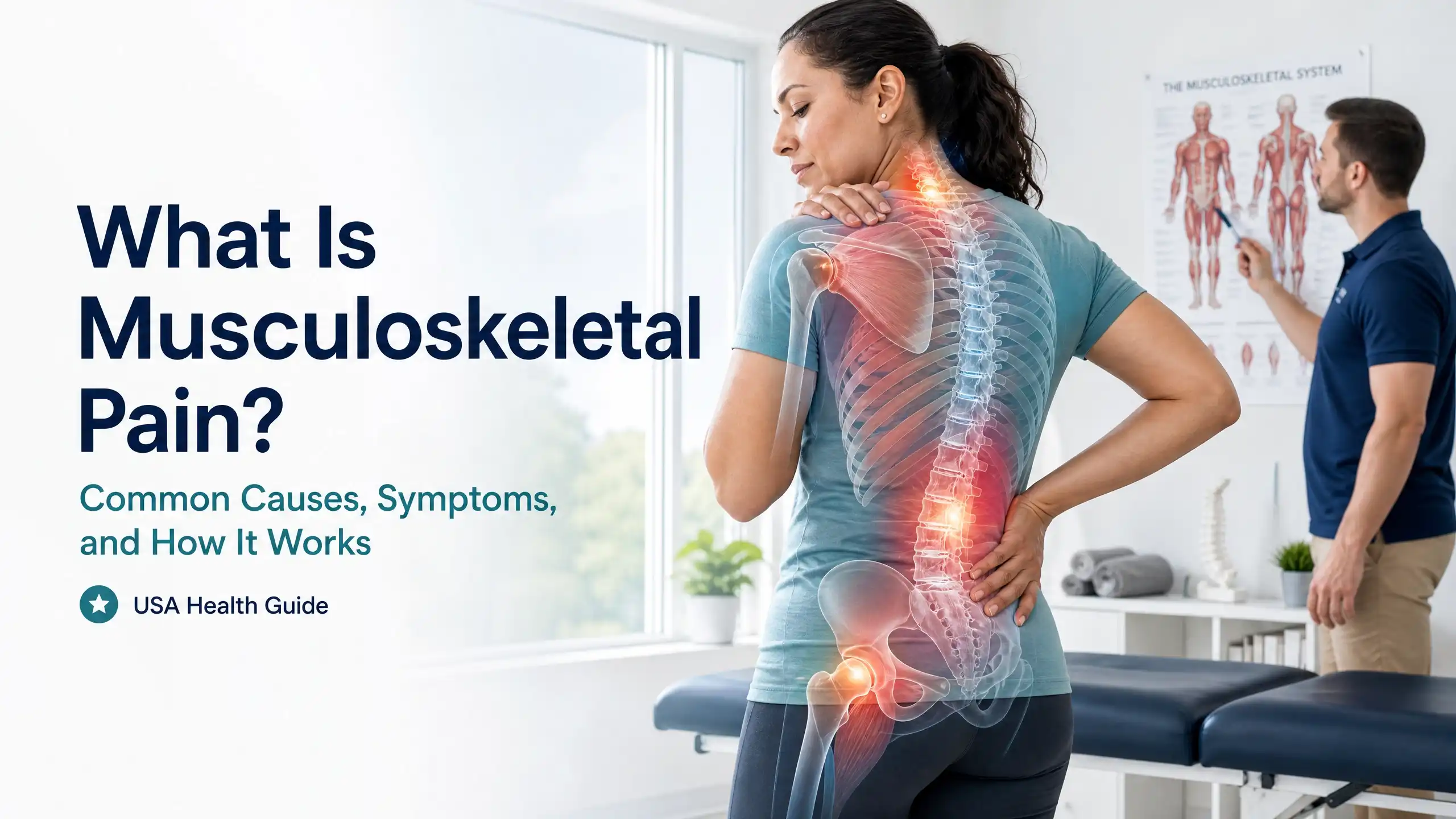
What Is Musculoskeletal Pain? Common Causes, Symptoms, and How It Works
Definition:
Musculoskeletal pain is pain that affects the muscles, bones, joints, tendons, ligaments, or connective tissues that support movement. It can result from injuries, overuse, inflammation, or medical conditions affecting the body’s movement system.
TL;DR:
Musculoskeletal pain may happen suddenly after an injury or develop slowly because of repetitive stress, aging, inflammation, posture problems, or chronic conditions. Understanding where the pain begins and how the nervous system processes it helps people choose the right approach for relief.
This type of pain is extremely common. The World Health Organization estimates that about 1.71 billion people worldwide live with musculoskeletal conditions, making them one of the largest causes of disability globally.
Musculoskeletal pain may happen suddenly after an injury or develop slowly because of repetitive stress, aging, inflammation, posture problems, or chronic conditions. Understanding where the pain begins and how the nervous system processes it helps people choose the right approach for relief.
Table of Contents
What Is Musculoskeletal Pain and How Does It Affect the Body?
Musculoskeletal pain refers to pain that comes from the body’s movement system. This system includes bones, skeletal muscles, joints, tendons, ligaments, bursae, and connective tissues that help maintain stability and allow movement.
Every movement, from walking to lifting objects, depends on these structures working together. When one part becomes irritated, injured, inflamed, or overloaded, the body sends warning signals that the brain recognizes as pain.
Musculoskeletal pain can be localized, meaning it stays in one area such as the lower back or wrist, or widespread, affecting multiple areas of the body. The severity can range from mild discomfort to pain that limits daily activities.
How Does Musculoskeletal Pain Travel Through the Body?
Musculoskeletal pain begins when specialized nerve endings called nociceptors detect possible harm in body tissues. These receptors respond to changes such as tissue injury, inflammation, pressure, or excessive strain.
After activation, nociceptors send information through peripheral nerves to the spinal cord. The spinal cord then passes these signals to the brain, where the sensation becomes recognized as pain.
However, pain is not only a measurement of physical damage. The brain also considers factors such as stress levels, sleep quality, previous injuries, and emotional state. This explains why two people with similar injuries may experience different pain levels.
What Are the Main Types of Musculoskeletal Pain?
Musculoskeletal pain can be divided by duration, location, and the tissue involved.
What Is Acute Musculoskeletal Pain?
Acute musculoskeletal pain is short-term pain that usually appears suddenly after an injury or physical stress. It often acts as a protective warning system that encourages the body to avoid further damage while healing. Examples include a strained muscle after lifting, a sprained ankle during sports, or pain after a fall.
What Is Chronic Musculoskeletal Pain?
Chronic musculoskeletal pain continues for months and may involve changes in how the nervous system processes pain signals. Over time, repeated pain signals may increase nervous system sensitivity, a process known as central sensitization. This can make normal movements feel more uncomfortable.
What Causes Musculoskeletal Pain?
Musculoskeletal pain develops from many different causes, including injuries, repetitive stress, medical conditions, and lifestyle factors. The most common cause is injury affecting muscles, joints, bones, tendons, or ligaments. Falls, sports injuries, workplace activities, and accidents can all damage these structures.
Which Medical Conditions Can Cause Musculoskeletal Pain?
Condition | What It Is | How It Affects the Body |
Osteoarthritis | A joint condition where protective cartilage gradually wears down over time. | Causes joint stiffness, discomfort, and reduced movement, commonly affecting the knees, hips, and hands. |
Rheumatoid Arthritis | An autoimmune condition where the immune system attacks healthy joint tissues. | Leads to inflammation, swelling, and ongoing joint pain. |
Fibromyalgia | A condition linked with widespread pain and increased sensitivity to pain signals. | Can cause body-wide discomfort, fatigue, sleep problems, and greater pain sensitivity. |
Tendinitis | Inflammation or irritation of tendons that connect muscles to bones. | Causes pain and tenderness, especially during movement or repeated activities. |
Bursitis | Inflammation of bursae, small fluid-filled sacs that reduce friction around joints. | Creates joint pain, swelling, and discomfort during movement. |
Sciatica | Pain caused by irritation of the sciatic nerve, often affecting the lower back and legs. | Can cause shooting pain, tingling, or discomfort along the nerve pathway. |
Spinal Stenosis | Narrowing of spaces within the spine that can put pressure on nerves. | May cause back pain, numbness, weakness, or difficulty with movement. |
Gout | A condition caused by uric acid crystal buildup in joints. | Leads to sudden episodes of severe joint pain, redness, and swelling. |
Osteoporosis | A condition that weakens bones and increases fracture risk. | Makes bones more fragile and more likely to break. |
Repetitive Strain Injuries | Injuries caused by repeated movements that stress muscles, tendons, or joints. | Can cause ongoing pain, stiffness, and reduced function in affected areas. |
What Does Musculoskeletal Pain Feel Like?
Musculoskeletal pain can feel different depending on the affected structure.
Bone pain is often described as a deep ache, while muscle pain may feel like soreness, tightness, or a sharp sensation during movement. Joint pain may involve stiffness, swelling, burning, or grinding sensations.
Tendon and ligament pain often becomes worse when the affected area moves because these tissues help control movement and stability.
Can Stress and Sleep Affect Musculoskeletal Pain?
Yes, stress and poor sleep can influence how the body experiences pain.
Stress can increase muscle tension and change how the nervous system responds to discomfort. Someone under constant stress may notice more neck tightness, headaches, shoulder tension, or muscle soreness.
Sleep plays an important role because the body uses rest periods for recovery and regulation. Poor sleep may increase pain sensitivity and make existing symptoms harder to manage. This connection explains why improving sleep habits and reducing stress can support better pain control.
How Is Musculoskeletal Pain Diagnosed?
Doctors diagnose musculoskeletal pain by examining symptoms, movement patterns, and medical history. A physical examination may check muscle strength, flexibility, swelling, tenderness, and range of motion.
When more information is needed, healthcare providers may recommend imaging tests such as X-rays, MRI scans, or CT scans. These tests help identify problems involving bones, joints, and soft tissues.
Blood tests may also help detect inflammatory or autoimmune conditions when symptoms suggest a broader health issue.
What Treatments Can Help Musculoskeletal Pain?
Treatment depends on the cause, affected tissues, and severity of symptoms. A minor muscle strain may improve with simple care, while chronic conditions may require a longer management plan.
management plan.
Common treatment approaches include:
- Physical therapy and targeted exercises
- Heat or cold therapy
- Medication when appropriate
- Acupuncture and other supportive therapies
Physical therapy helps improve strength, flexibility, and movement patterns. It can also reduce the risk of repeated injuries by correcting muscle weakness or poor movement habits.
How Does Acupuncture Help With Musculoskeletal Pain?
Acupuncture is a treatment method that uses thin needles placed at specific points on the body. It is often used for conditions involving muscles, joints, and chronic pain.
Researchers believe acupuncture may influence the nervous system, encourage natural pain regulation, and affect how the body responds to discomfort.
It is commonly explored for lower back pain, neck pain, joint discomfort, and muscle tension. Many people combine acupuncture with other approaches such as exercise, physical therapy, and lifestyle changes.
How Can You Prevent Musculoskeletal Pain?
Preventing musculoskeletal pain focuses on protecting the body’s movement system through healthy daily habits.
Regular movement, strength training, stretching, proper posture, and safe lifting techniques can reduce unnecessary stress on muscles and joints.
People who work at desks for long periods should pay attention to workstation setup, screen height, chair support, and movement breaks. Small adjustments can reduce repeated strain on the neck, shoulders, and back.
ok similar, especially when needles are placed into myofascial trigger points. Training standards and legal scope also vary by state.
When Should You See a Doctor for Musculoskeletal Pain?
You should seek medical advice when pain continues, worsens, or affects your ability to perform daily activities.
Medical attention is especially important after serious injuries or when pain appears with symptoms such as unexplained swelling, fever, loss of strength, or sudden severe discomfort.
Finding the cause early can help prevent temporary pain from becoming a long-term problem.
FAQ's
What is the most common cause of musculoskeletal pain?
Injuries such as strains, sprains, and overuse are among the most common causes of musculoskeletal pain.
What does musculoskeletal pain feel like?
It may feel like aching, stiffness, soreness, burning, sharp pain, or discomfort that worsens with movement.
Is musculoskeletal pain the same as nerve pain?
No, musculoskeletal pain affects muscles, bones, joints, and connective tissues, while nerve pain involves nerve irritation or damage.
Can stress cause musculoskeletal pain?
Yes, stress can increase muscle tension and affect how the nervous system processes pain.
Does musculoskeletal pain go away on its own?
Mild pain from minor injuries may improve with rest and care, but persistent pain may need evaluation.
What is the best treatment for musculoskeletal pain?
Treatment depends on the cause and may include physical therapy, exercise, medication, acupuncture, or lifestyle changes.
Conclusion
Musculoskeletal pain affects the structures that allow your body to move, including muscles, bones, joints, tendons, and ligaments. While injuries are a common cause, long-term conditions, stress, posture problems, and nervous system changes can also contribute.
The best approach starts with understanding the source of pain. Some people improve with movement changes and home care, while others need professional support through therapies such as physical therapy or acupuncture.
Learning how musculoskeletal pain works helps you recognize warning signs, choose suitable treatment options, and protect your body’s ability to move comfortably.
